Collectables – and inherited jewellery
Collectables
Capital gains tax does not just apply to “big ticket” items such as real estate, farms and shareholdings. It also applies to a special class of assets known as “personal use assets” and, in particular, those personal use assets known as “collectibles”.
“Collectables” are specifically defined under the tax law to mean the following items that are "used or kept mainly for your personal use or enjoyment":
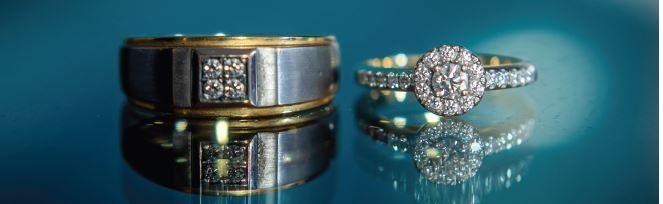
- artwork, jewellery, an antique, or a coin or medallion; or
- a rare folio, manuscript or book; or
- a postage stamp or first day cover.
However, for an asset to be a collectable, it must have cost more than $500. Otherwise, collectables acquired for $500 or less are exempt from CGT (but subject to important rules to get around or avoid this threshold test).
However, the most important rule about a collectable is that if you make a capital loss on selling or disposing of a collectable, that capital loss can only be offset against capital gains from other collectibles. It cannot be offset against the capital gain from, say, shares or real estate, and nor can it be offset against your other income.
Furthermore, that jewellery you inherit from your mother will retain its “character” as a collectable (if it was acquired by her after 20 September 1985). So, this too is something to be aware of.
Personal use assets
As for “personal use assets” per se (ie assets used for personal use or enjoyment which are not “collectables” – such as furniture, clothing, pianos etc) they are only subject to CGT if they cost more than $10,000. More importantly, however, is that you cannot claim a capital loss made on a personal use asset.
But is it a business?
Finally, of course, it is often the case that a person who owns such collectibles does so for the purpose of trading in them. In this case, the CGT rules take a backseat to the fact that the profit from such activities is assessable in the same way as ordinary income, as if you were operating a business.
So, if you find yourself dealing with such items, it is necessary to get good tax advice on the matter.
Previous Blog Posts: